Feature
The European Studios Behind Modern Gaming
From Ghent to Reykjavík, a handful of studios shaped how the world plays. A tour of the places, people and ideas behind them.
- Author
- The Editors
- Published
- Updated
- Reading time
- 9 minutes
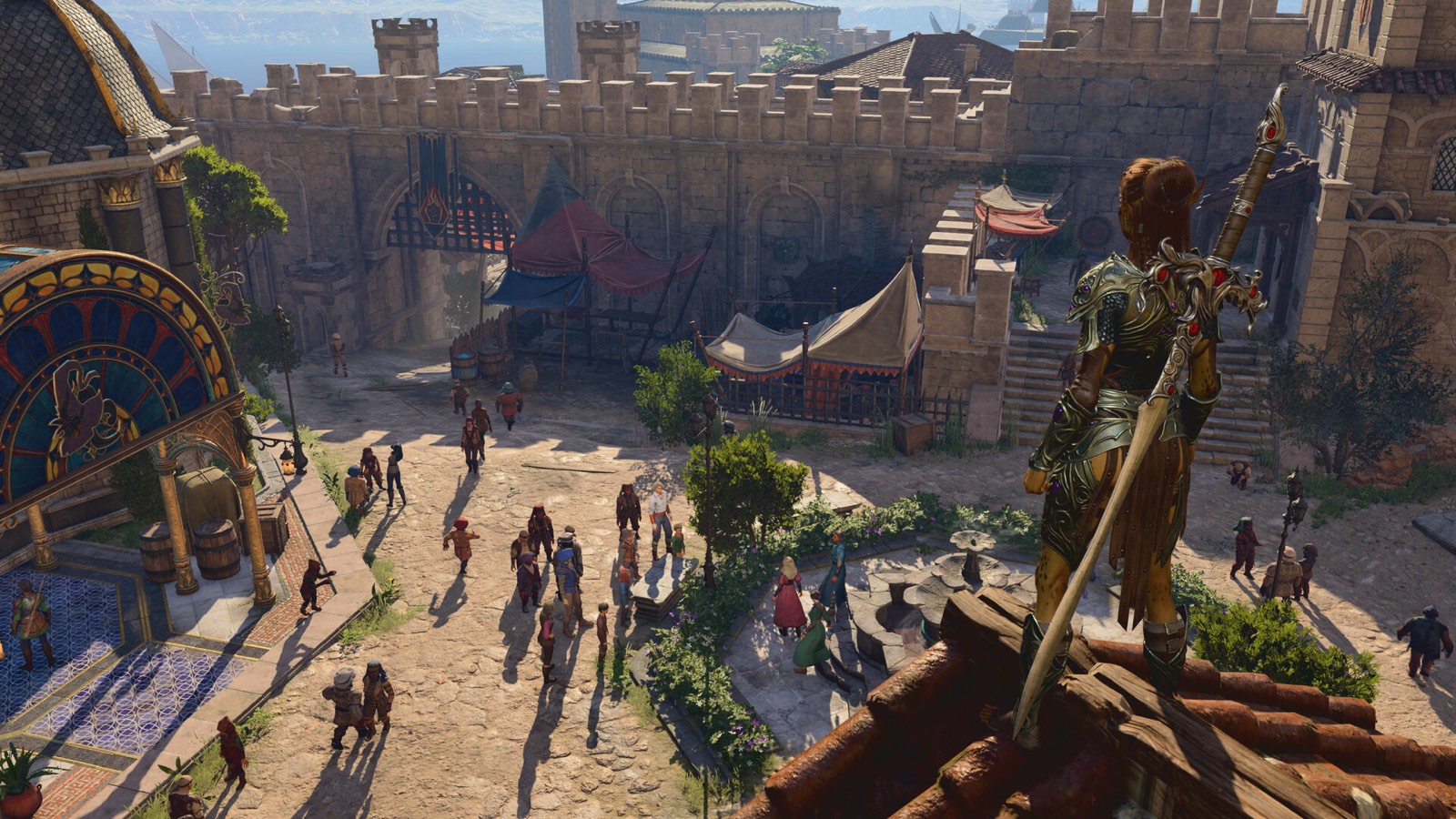
Official game screenshots © their respective owners
Ask someone to name the centres of the games industry and they will probably mention California, Tokyo or Montreal. Yet many of the games that defined the last fifteen years were made in European cities — often by studios that began with a handful of people and very little money.
This is not a ranking. It is a short tour of some of the places where European games are made, and of what those studios have in common.
Ghent: the long road
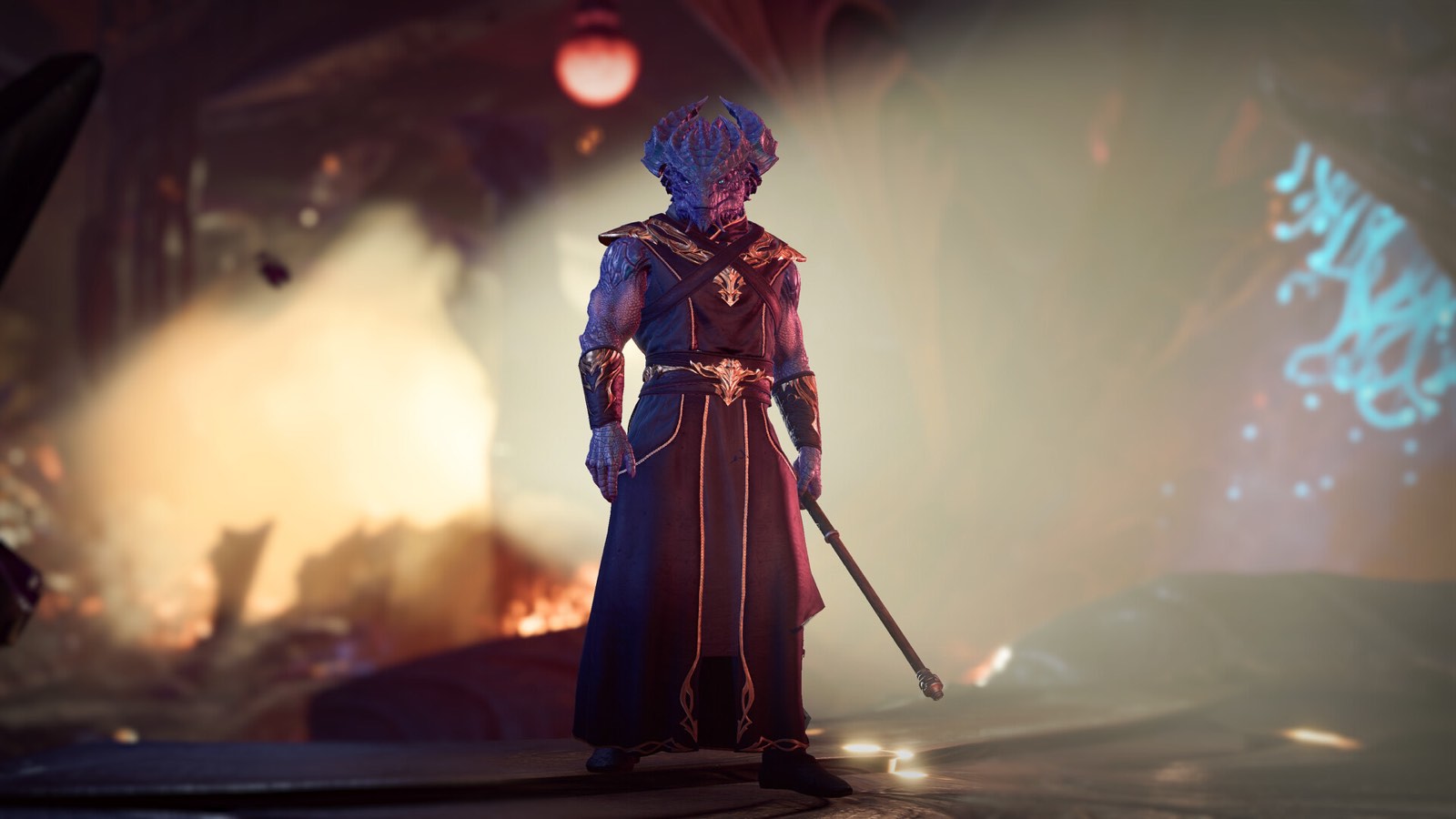
Larian Studios was founded in 1996, and for much of its early life it was an independent studio living from one project to the next. Its story is worth remembering whenever Baldur's Gate 3 is described as an overnight success: it was nearly three decades in the making.
What Larian refined over that time was an idea: that a role-playing game should respond to whatever the player actually tries, not merely to the options the designers anticipated.
“Many of the most influential European studios share one trait: they kept making the kind of game they believed in, long before it was fashionable.”
Warsaw: literature as foundation
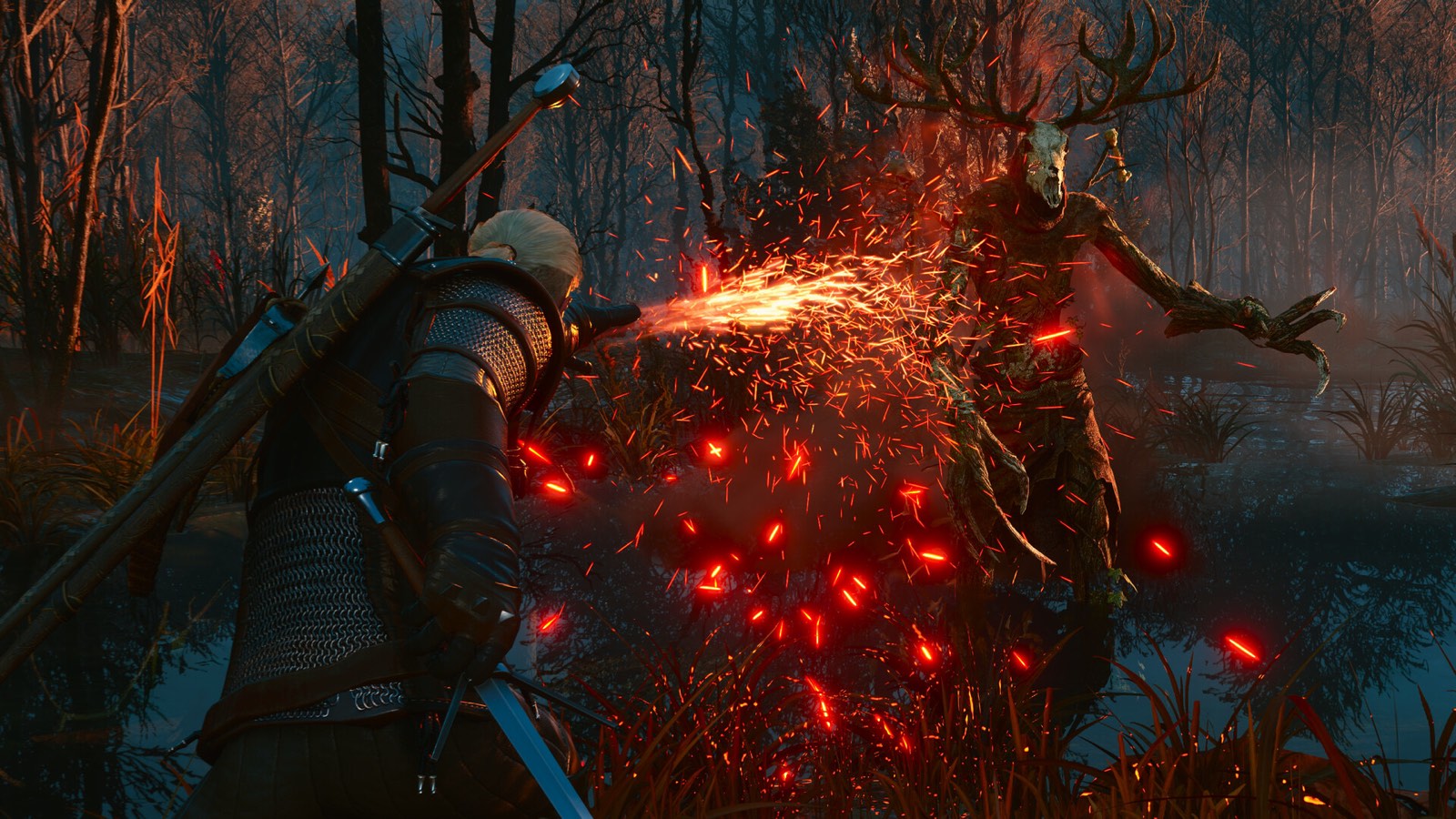
CD Projekt began by distributing and translating games in Poland in the 1990s. When its new studio adapted Andrzej Sapkowski's Witcher novels, it brought Slavic folklore and a morally grey world to an international audience. The Witcher 3: Wild Hunt, released in 2015, is still regularly cited as a benchmark for open-world storytelling.
Stockholm: clarity of idea
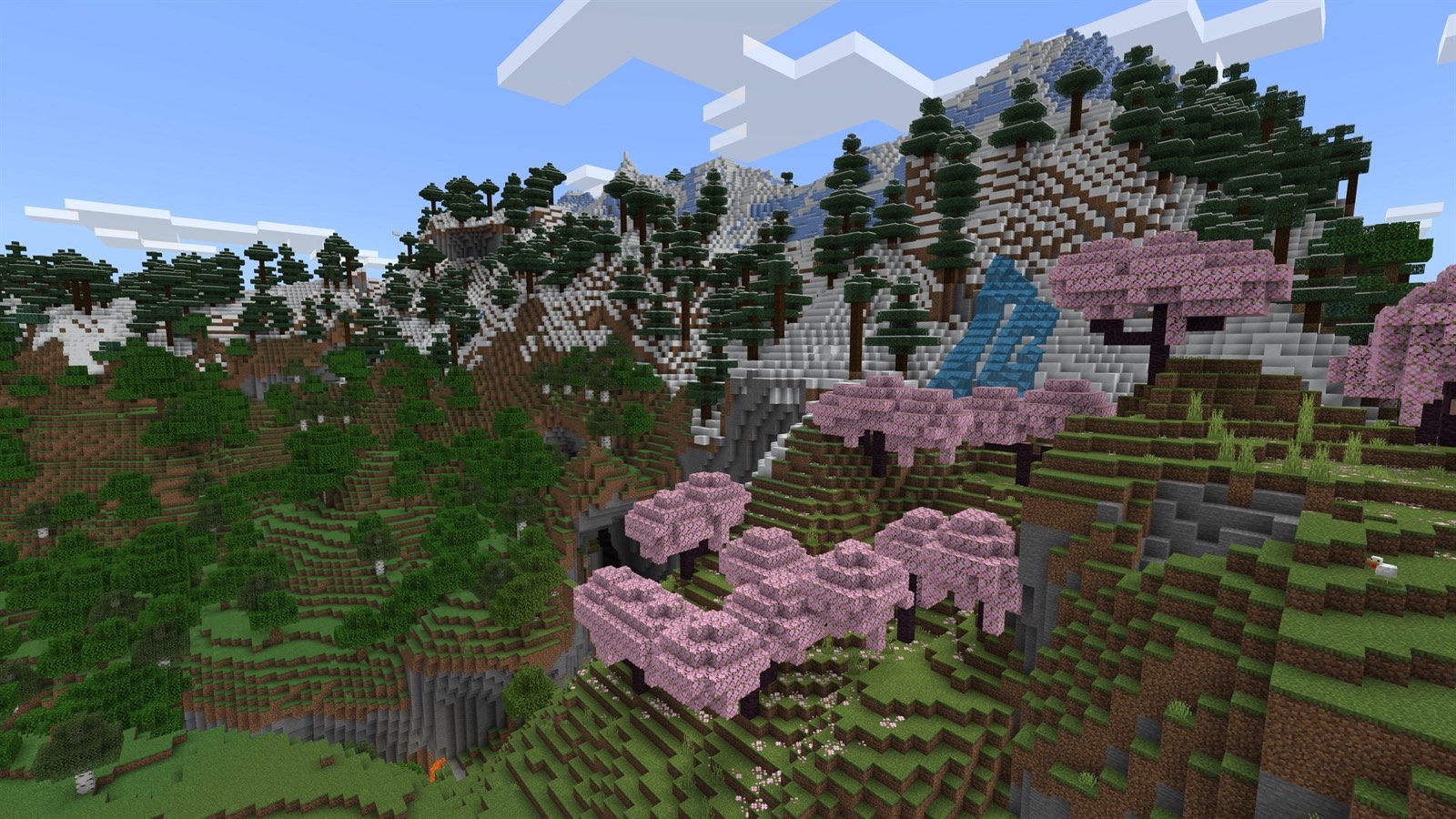
Stockholm's games scene is unusually varied. Minecraft, Paradox's grand strategy games and Hazelight's co-operative adventures could hardly be more different, yet each is built around a single, clear idea executed with care.
Helsinki and Espoo: small teams
Finland's two best-known studios, Remedy and Supercell, make very different games. Both, however, are known for valuing small, focused teams. Supercell has spoken publicly about organising itself into independent 'cells'; Remedy grew out of the Finnish demoscene, where small groups pushed hardware to its limits.
Reykjavík: one universe
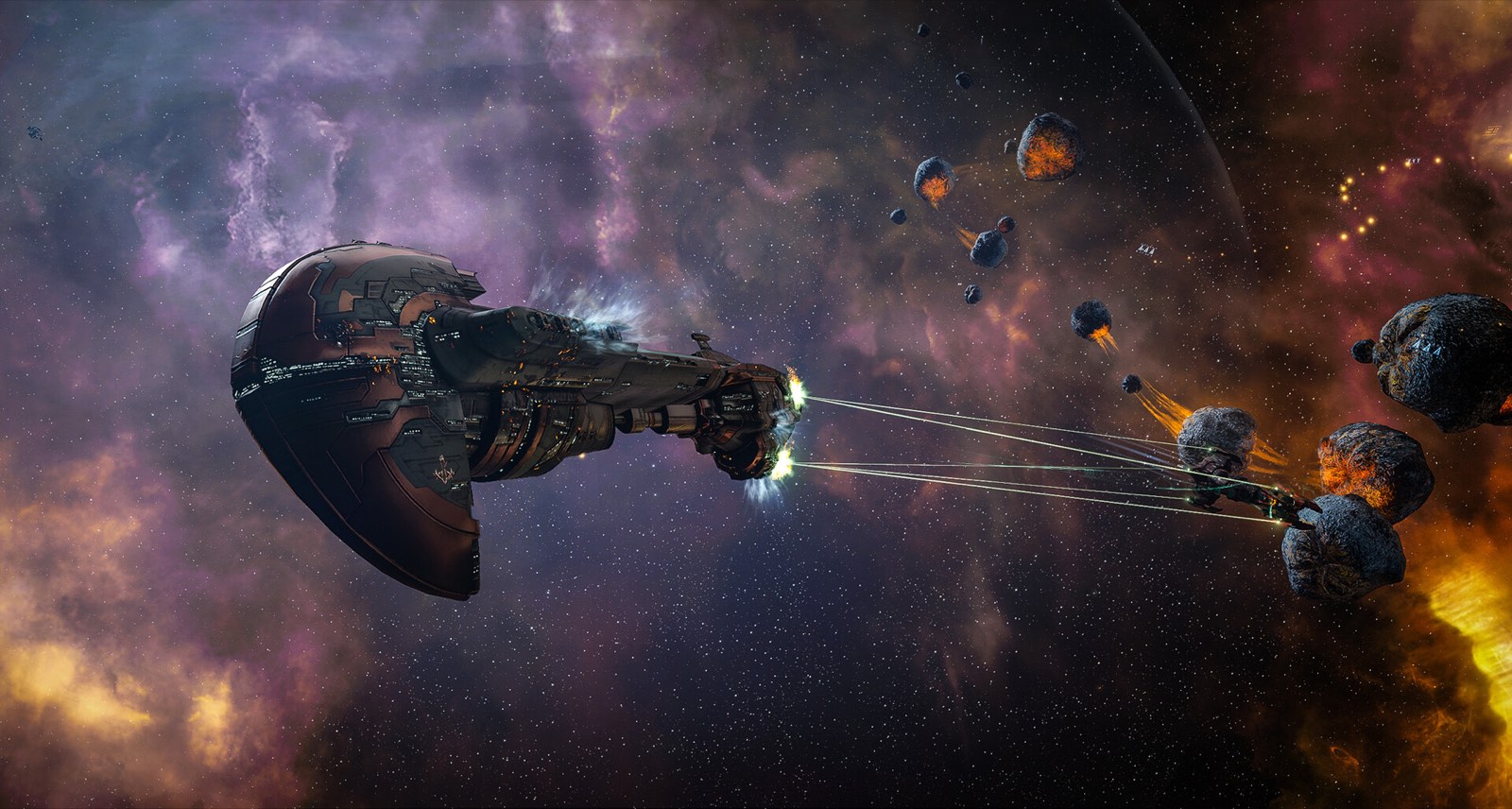
CCP Games launched EVE Online in 2003 and has run it ever since. Its decision to place nearly every player in one shared universe, rather than many separate servers, remains one of the boldest design choices in online games.
What they share
It is tempting to look for a single 'European' style. There isn't one. But a few traits recur: a willingness to draw on local history and literature, a respect for the player's intelligence, and remarkable persistence.
Sources & further reading
The Editors
Written and reviewed by the editorial team at Online European Games. We are independent: no studio or publisher pays for coverage. Read our editorial policy.