Essay
Why Poland Became a Gaming Powerhouse
Literature, local talent and a distribution business that learned what players wanted. How Polish studios earned a global audience.
- Author
- The Editors
- Published
- Updated
- Reading time
- 8 minutes
Official game screenshots © their respective owners
In the 1990s, Poland was better known as a market for games than a maker of them. Two decades later, Polish studios had produced some of the most recognised games in the world. How did that happen?
Learning from distribution
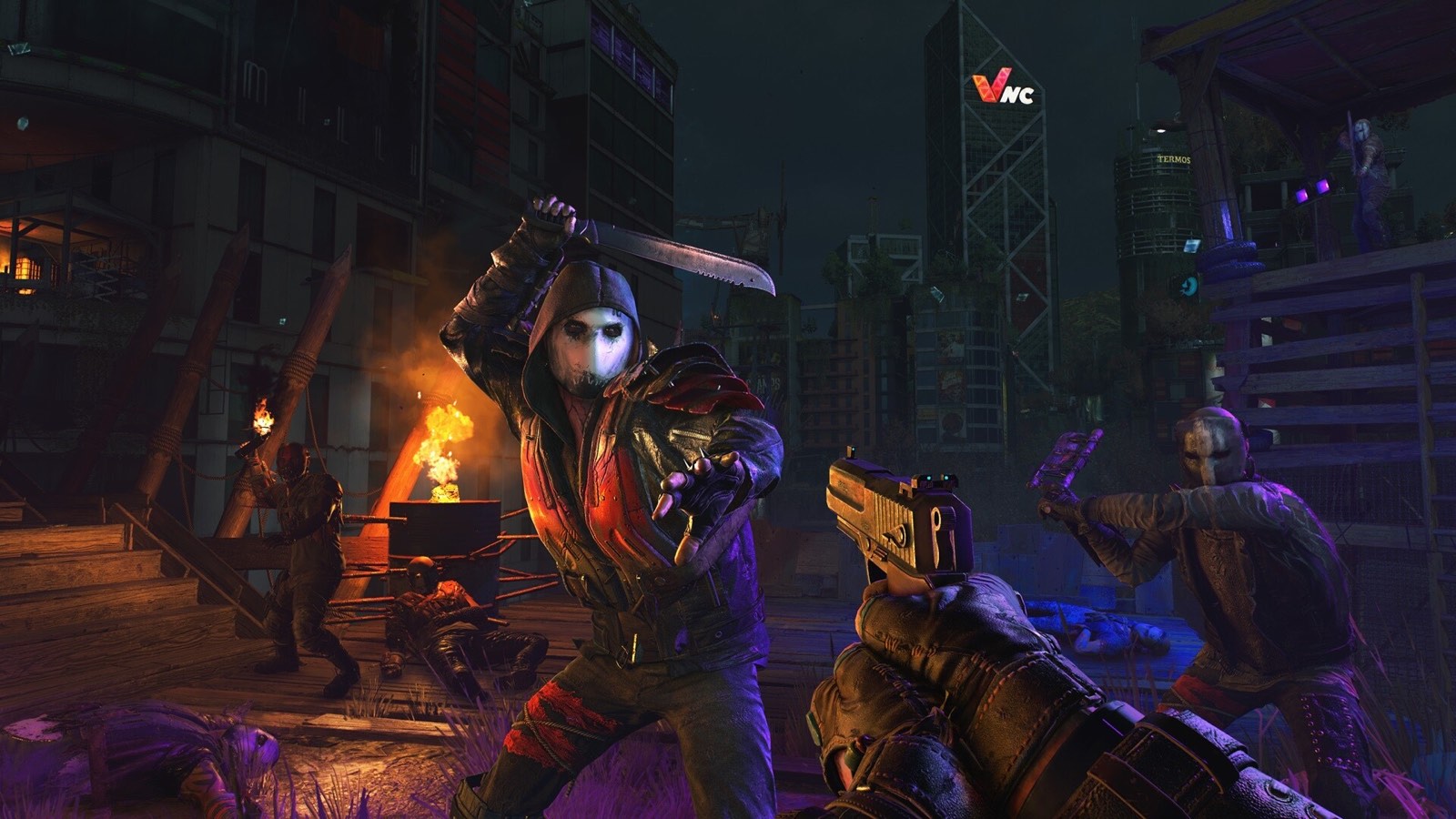
Both CD Projekt and Techland started out distributing software before making their own games. Localising games for Polish players gave them a close understanding of what audiences valued — and of what made a release feel generous.
Literature and folklore
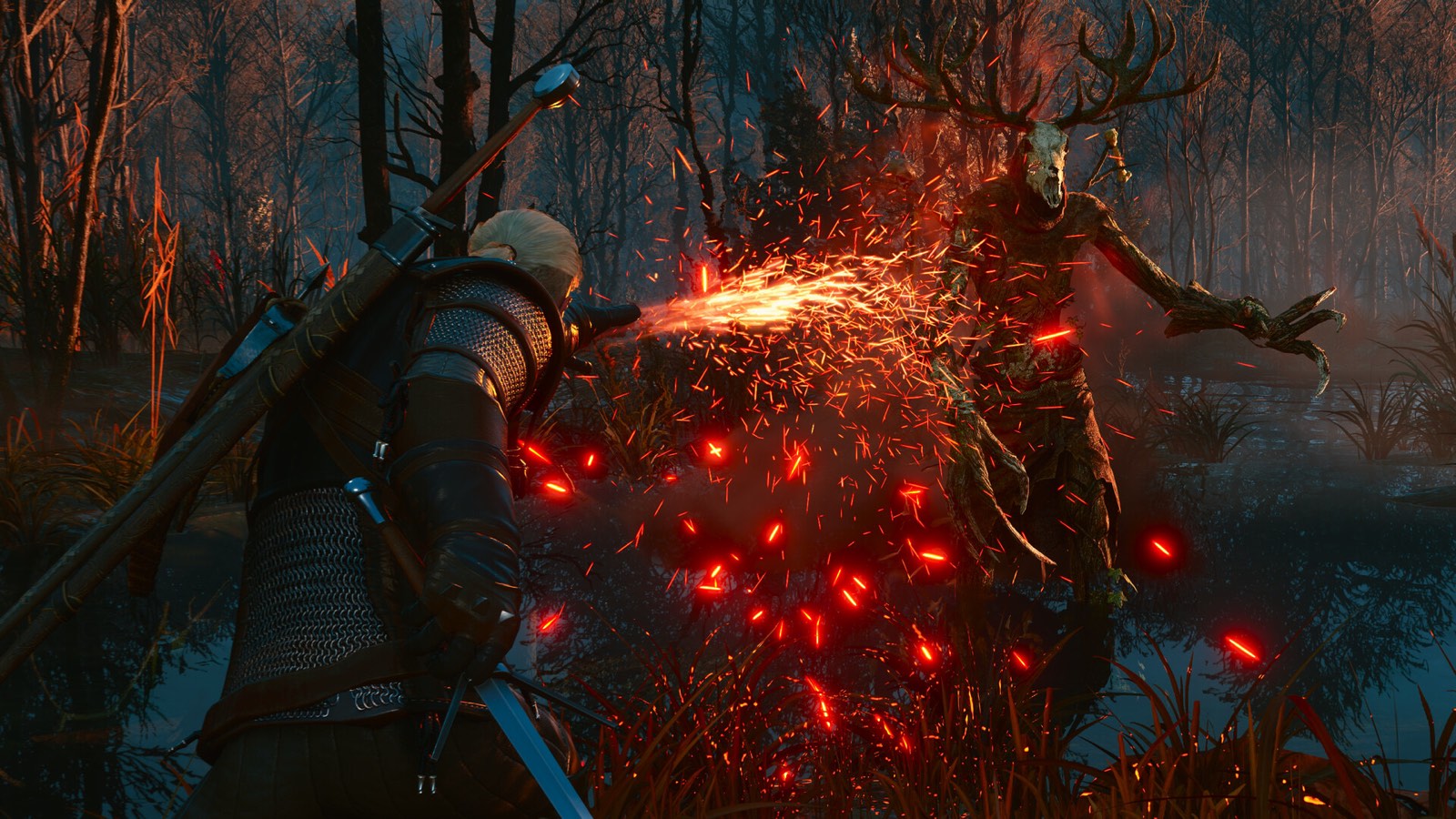
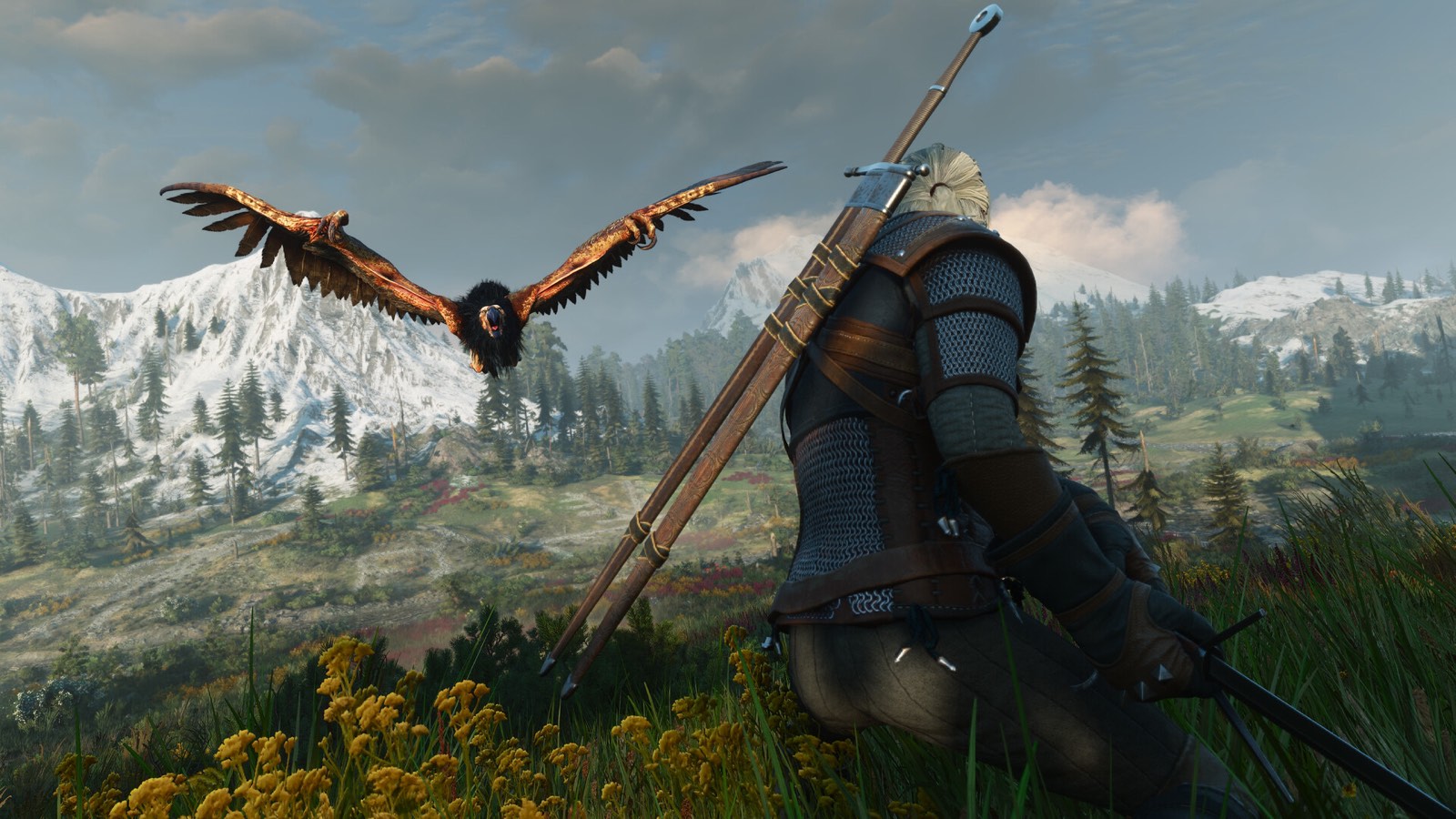
The Witcher series drew on Andrzej Sapkowski's novels, themselves steeped in Slavic myth. That source material gave Polish games a voice distinct from the Tolkien-influenced fantasy common elsewhere.
“Local stories, told with confidence, turned out to travel remarkably well.”
Talent and cities
Warsaw, Kraków and Wrocław each developed concentrations of studios, supported by technical universities and a growing pool of experienced developers. Many smaller Polish studios now work on everything from simulation to horror.

Setbacks and recovery
The story is not one of uninterrupted success. Cyberpunk 2077's difficult launch in 2020 was a significant setback. Its gradual recovery through updates and the Phantom Liberty expansion became, in its own way, part of the reputation.
Sources & further reading
The Editors
Written and reviewed by the editorial team at Online European Games. We are independent: no studio or publisher pays for coverage. Read our editorial policy.